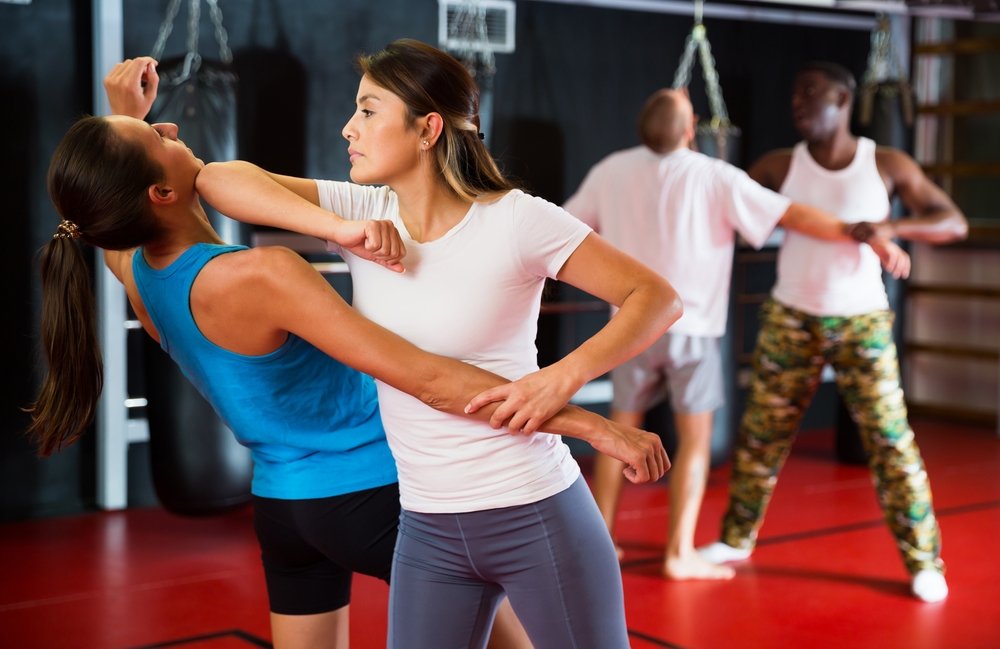

Personal safety matters more than ever. In 2025, women want self-defense that is simple, effective, and realistic. They also want training that fits into busy lives. For many, Krav Maga meets those needs. It teaches clear reactions, practical moves, and ways to escape danger quickly.
This article explains why Krav Maga is a strong choice for women. It also shows what training looks like. You’ll get a step-by-step plan, simple drills to practice at home, and tips for choosing the right school. Read on to learn how Krav Maga builds safety, fitness, and confidence without needing years of training.

What Is Krav Maga?
Krav Maga is a self-defense system created in Israel. It began as a way to help soldiers stay safe. Over time, people adapted it for civilians. Today, Krav Maga teaches practical moves that work in real life.
It mixes strikes, escapes, and simple defenses. The techniques use natural body reactions. That makes the moves easier to learn under stress. Krav Maga also trains how to spot danger and avoid it when possible.
Why Practical Self-Defense Matters in 2025
First, life has changed a lot in the last few years. People travel more. Night shifts are more common. Social situations happen on apps and in new spaces. All this affects safety.
Second, women still face higher risk in certain situations. That makes prevention and preparedness important. A system that teaches real, fast responses helps. It also helps women feel and act more confident.
Third, people want training that works quickly. Many women can’t commit to long programs. They need skills they can use after a few months. Krav Maga’s focus on instinctive, repeatable moves fits this need.
Krav Maga vs. Other Systems: The Practical Angle
Many martial arts have value. Karate, Taekwondo, and Jiu-Jitsu teach form, balance, and control. Still, some of their methods take longer to apply in a sudden attack.
Krav Maga differs because it focuses on one goal: survive and get away. Techniques are direct. They aim to end a threat fast. For women who want fast, usable skills, that matters.
Also, Krav Maga includes defenses for weapons, multiple attackers, and close-range attacks. These are common threats in real life. Many traditional styles do not train these scenarios in depth.
Core Principles of Krav Maga (Simple Version)
Krav Maga uses a few clear principles. Remember them. They make the system easier to learn and use.
- Simplicity: Use moves that are easy to do under stress.
- Aggression: Counter quickly to stop the threat.
- Target vulnerability: Aim for weak points – eyes, throat, groin.
- Escape: Get away once you create a chance.
- Use of instinct: Use natural reactions, not complex forms.
These rules help women react fast. They also reduce the time needed to learn effective responses.
How Krav Maga Training Helps Women Specifically
Krav Maga offers several benefits that match women’s needs:
- Techniques for different body types. Moves rely on leverage and timing rather than brute strength.
- Short learning curve. Basic, useful skills can be taught in weeks.
- Focus on escape, not fight. The aim is to create an exit.
- Multiple attacker drills and weapon defense. These are real threats and Krav Maga trains for them.
- Confidence and decision-making. Training improves assertiveness and quick thinking.
Thus, Krav Maga builds both skill and mindset. Together, these reduce fear and improve safety.
What You’ll Learn in a Women’s Krav Maga Class (Overview)
Classes combine safety, skill, and fitness. Expect a typical session to include:
- Warm-up: Mobility, light cardio, and joint prep.
- Technique practice: Strikes, escapes, and simple holds.
- Partner drills: Practice skills with a partner in controlled settings.
- Scenario training: Practice real-world situations under mild stress.
- Conditioning: Exercises that build strength and endurance.
- Cool down and debrief: Talk through takeaways and safety tips.
In short, each class teaches a skill and then drills it under pressure.
Simple Krav Maga Moves Women Can Learn Fast
Here are practical moves that are common in Krav Maga classes. Learn the basics well.
- Palm heel strike: Use the base of the palm to strike the nose or chin. It’s safe for your hand and powerful.
- Hammer fist: Strike downward with the side of the fist. Works in close range.
- Groin kick: A quick front kick to the groin can stop an attacker. Aim for speed, not force.
- Elbow strike: Great for tight spaces. Short and strong.
- Bear hug escape: Twist and step to break the grip, then strike and run.
- Choke release: Use base, hand placement, and sharp motion to create space and escape.
- Wrist release: Rotate and step to free the wrist; follow with a strike and move away.
Practice these moves slowly first. Then speed up as you gain confidence.
Mental Skills: Awareness and Decision-Making
Physical skills are one part. Mental skills are just as crucial. Krav Maga puts strong weight on awareness and decision-making.
- Scan your environment. Notice exits, people, and odd behavior.
- Trust your gut. If something feels off, move away or seek help.
- Plan routes. When walking to the car or bus, think about safe exits.
- Use your voice. A strong, clear command can deter an attacker: “Back off!” or “Leave me alone!”
- Decide fast. In a threat, seconds count. Practice making quick choices in class drills.
Training the mind along with the body reduces freeze response in real incidents.
Training Structure: How to Build Skills Over Time
You don’t learn everything in one class. Here is a simple timeline for building effective skills.
Month 1 – Foundation
- Learn stance, basic strikes, and escapes.
- Build simple awareness habits.
Months 2–3 – Apply Under Pressure
- Practice techniques in partner drills.
- Introduce timed responses and light stress.
Months 4–6 – Solidify & Expand
- Add weapon-defense basics.
- Practice multiple attacker scenarios.
- Improve physical conditioning.
Months 6–12 – Confidence & Real-World Readiness
- Mixed scenario training.
- Sparring-like drills to manage fear and reaction timing.
- Continued fitness work.
This plan assumes training 2-3 times per week. More practice speeds results. Less practice slows them.
At-Home Drills You Can Practice (No Gear Needed)
You can train useful skills at home. Practice these drills on your own or with a partner.
- Shadow striking: Move and strike the air. Practice form and speed for 10 minutes.
- Reaction drill: Have a partner call a direction; you step and strike quickly.
- Groin kick practice: Lightly practice the front kick motion for speed.
- Balance recovery: Practice getting up fast from a seated or kneeling position.
- Wrist escape drill: With a partner holding your wrist lightly, rotate and step to free it.
Keep sessions short – 10 to 20 minutes – so you can repeat them often.
Training Gear and Safety
You don’t need much to start. But some gear makes training safer and more comfortable.
- Athletic shoes with grip.
- Comfortable clothing that moves with you.
- Hand wraps and gloves for striking classes.
- Mouthguard for any sparring.
- Shin guards for kicking drills.
- Training pads or a heavy bag if you want to practice strikes at home.
Good instructors teach safety first. They scale partner pressure so you learn without harm.
Choosing the Right Class or School
Not all schools teach the same way. Use this checklist to choose a good one.
- Certified instructors: Check credentials and experience.
- Safety focus: See how they control drills and teach progression.
- Women-friendly environment: Look for classes for women or mixed classes with supportive culture.
- Trial class: Try one before you sign up. See how it feels.
- Clear curriculum: Ask what skills you’ll learn in the first six months.
- Local reviews: Read what other students say about the school.
Also, see if the school teaches scenario-based training. That is key for real-life readiness.
Adapting Krav Maga for Different Real-Life Situations
Krav Maga trains for many places. Below are common scenarios and the adapted approach.
- Parking lots and garages: Keep keys in hand, walk near light, know exits, use loud voice if threatened. Practice quick strikes to create distance.
- Public transport: Sit where you can see both doors. Use verbal deterrence early. Practice standing escapes for close-range grabs.
- Home invasion: Use strong exits, loud alarms, and trained escape routes. If confrontation happens, use striking and escape techniques to protect family members.
- Dating and social situations: Set boundaries early. Use verbal assertiveness; if that fails, move to escape techniques and seek help.
Krav Maga emphasizes escape over prolonged fighting. The aim is to leave safely.
Group Classes vs. Private Lessons
Both have benefits.
Group Classes
- Cheaper per session.
- Good for learning common drills and fitness.
- Provide variety of partners, which builds adaptability.
Private Lessons
- Faster progress on specific goals.
- One-on-one attention to correct form.
- Useful for personalized scenarios or fear-based concerns.
Combine both if you can. Group classes teach broad skills. Private lessons polish technique and speed.
Women-Led Classes and Instructors
Many women prefer women-only classes at first. That is okay. Women-led classes can:
- Create a safe learning space.
- Focus on issues unique to women.
- Provide role models and mentors.
However, mixed classes with respectful instructors also work well. The quality of instruction matters more than the class gender mix.
Myths and Facts
Clear up the mix-ups.
- Myth: You must be strong to defend yourself.
Fact: Technique, speed, and leverage matter more than raw strength. - Myth: Martial arts always teach the best self-defense.
Fact: Some martial arts take years to apply under stress. Training style matters. - Myth: Krav Maga makes you aggressive.
Fact: Krav Maga teaches control, escape, and survival. Proper instruction emphasizes safety and ethics. - Myth: You can learn everything online.
Fact: Online videos help, but partner practice and instructor feedback are key to real learning.
Building Confidence Outside Class
Confidence grows with practice. Try these habits:
- Practice situational awareness daily. Spend five minutes scanning surroundings on walks.
- Use posture training. Stand tall and look forward. It deters many threats.
- Practice assertive speech. Simple phrases like “Stop!” or “Back off!” said firmly can change behavior.
- Set small goals. Track progress in a journal. Celebrate small wins.
Confidence helps you avoid threats and act clearly if needed.
Fitness Conditioning for Krav Maga
Good fitness helps you perform techniques under stress. Focus on:
- Cardio: Intervals, running, or cycling.
- Strength: Bodyweight exercises – push-ups, squats, lunges.
- Core: Planks, rotational work for balance and power.
- Mobility: Stretching and hip/shoulder mobility to reduce injuries.
Train 3–4 times per week, combining skill work and conditioning.
Legal and Ethical Considerations
Self-defense must fit the law and ethics.
- Act proportionally. Use only the force required to escape.
- Report incidents. Contact police if you are assaulted.
- Know local laws. Laws vary on self-defense and use of force.
- Avoid escalation. Where possible, walk away and call for help.
Instructors often cover legal basics. Ask your school about local law guidance.
Women’s Self-Defense Programs That Work
Good programs combine:
- Clear curriculum that focuses on survival skills.
- Regular scenario training to test reactions.
- Fitness components to ensure you can execute moves.
- Supportive community to build long-term practice.
- Follow-up resources like handouts, videos, and home drills.
Ask for a class sample and curriculum outline before joining.
Success Stories and Real Benefits
Women who train often report gains in:
- Daily confidence—walking alone, travelling, working late.
- Fitness—weight loss, better stamina, more energy.
- Calm under stress—clearer thinking in scary moments.
- Social support—new friends and mentors in class.
These changes matter. They improve life beyond safety.
How to Start: A Simple 8-Week Plan for Beginners
Week 1–2: Attend 2 classes; learn stance, basic strikes, and awareness. Practice at home 10 minutes twice per week.
Week 3–4: Focus on escapes and partner drills; add two short cardio sessions per week.
Week 5–6: Introduce simple weapon defense and stress drills. Increase class frequency if possible.
Week 7–8: Combine skills in scenario practice. Evaluate progress and set new goals.
After eight weeks you should feel noticeably more capable and confident.
At-Home Safety Checklist
- Carry a charged phone and emergency contact.
- Plan route and check lighting for night travel.
- Keep keys in hand as a tool and quick entry device.
- Learn emergency numbers and local safe places.
- Join a class—practice beats theory.
Simple steps reduce risk and make training more effective.
Community and Support: Why Training with Others Helps
Training with others gives several benefits:
- Real partners teach unpredictability.
- Encouragement keeps you coming back.
- Shared goals build a safety net and accountability.
- Role models show what consistent training achieves.
Community turns training into lasting change.
Choosing Guardian Krav Maga (or Your Local School)
When you look for a school, consider:
- Clean facility and clear safety rules.
- Female-friendly instructors or sessions.
- Trial class or introductory session offered.
- Clear pricing and schedule.
- Positive reviews and community reputation.
Meet the instructor. See how they teach. If it feels right, join and practice.